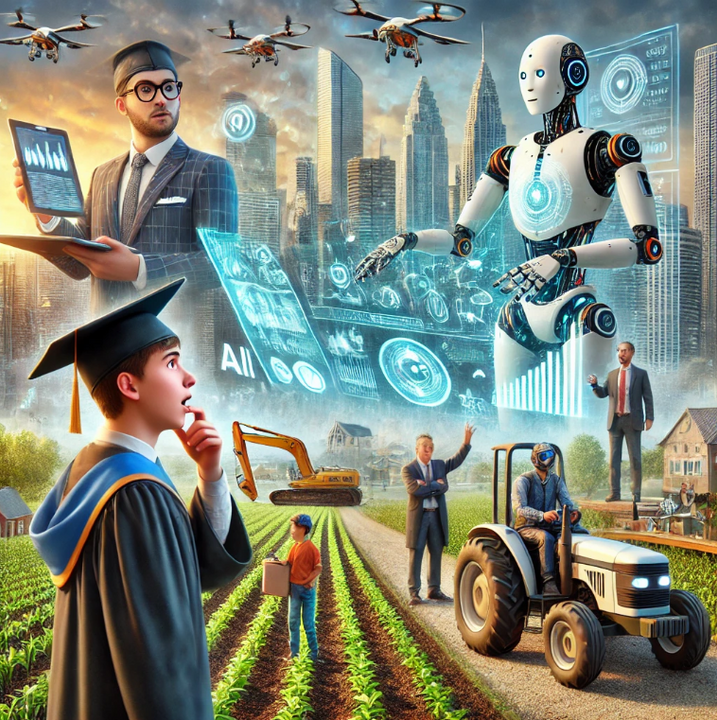

What is the Robot Technology?
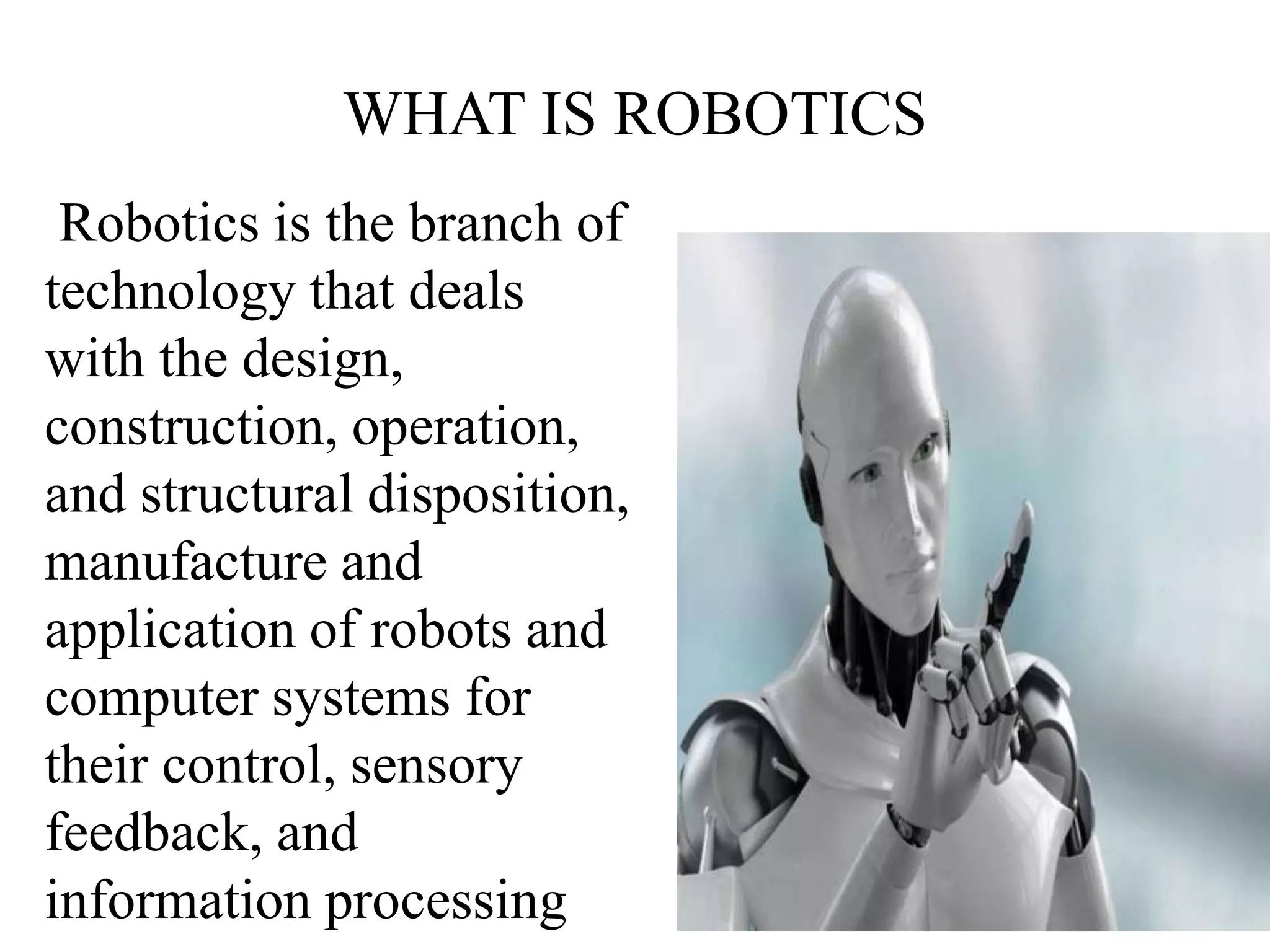
Robot technology, or robotics, is the interdisciplinary field that combines engineering, computer science, and technology to design, build, and operate machines called Robots.
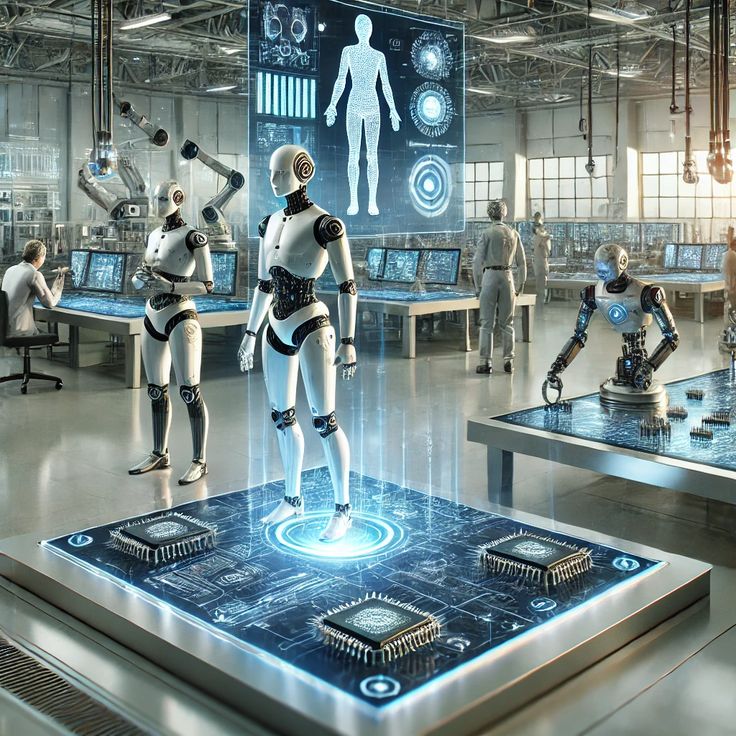

History of the Robot Technology

Robot technology has its roots in ancient times, where early inventors created simple mechanical devices. The word "Robot" was first introduced in 1920 by Czech writer Karel Capek. In the 1960s, industrial robots were used in factories, starting with the Unimate robot. Since then, robotics has advanced rapidly with the help of computers, artificial intelligence, and automation, becoming a key part of modern industries and daily life.
What is the Arduino Robot Technology?
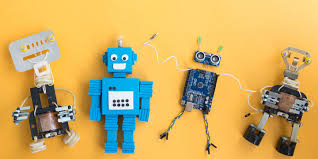
An Arduino Robot Technology is a programmable machine that uses an Arduino microcontroller as its "brain" to perform tasks. These systems are built using the open-source Arduino platform, allowing users to connect sensors to input information, an Arduino board to process it, and motors or other actuators to execute actions. They are popular for projects like self-driving rovers, line followers, and robotic arms because the Arduino platform makes robotics accessible through simple coding and a modular design.

History of the Arduino Robot Technology
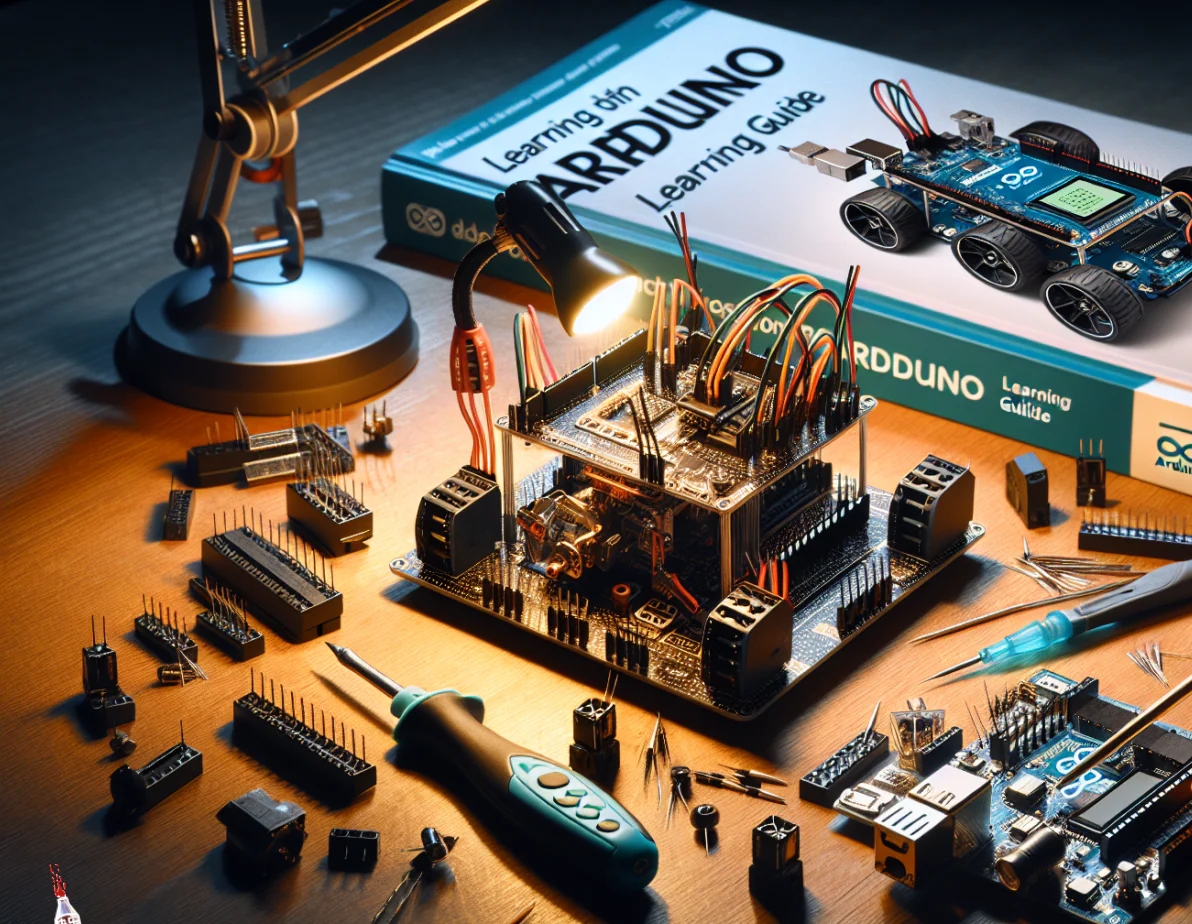
Arduino originated in the early 2000s at the Interaction Design Institute Ivrea (IDII) in Ivrea, Italy. It was designed to help students and artists overcome the challenges they faced when integrating technology into their innovative projects. At that time, existing platforms such as the BASIC Stamp were expensive and limited in accessibility, especially for non-technical users. Hernando Barrag�n, a student at IDII, developed the Wiring platform, which provided the foundation for Arduino. His work was supported by mentors such as Massimo Banzi and Casey Reas, who also contributed to the development of the Arduino environment.
What is the Agricultural Robot Technology?
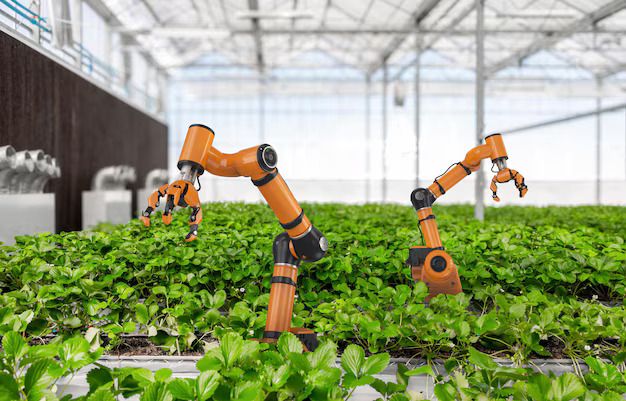
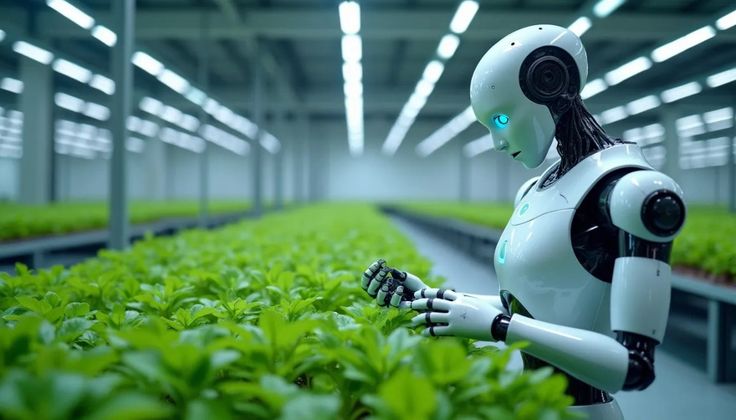
Agricultural Robot Technology uses automated or semi-automated devices to assist or replace human labor in farming tasks, making them more efficient, faster, and more precise. These robots perform a wide range of duties, from planting and harvesting to crop monitoring, spraying, and weeding, and they can also be used for tasks related to livestock, such as automated milking.
History of the Agricultural Robot Technology
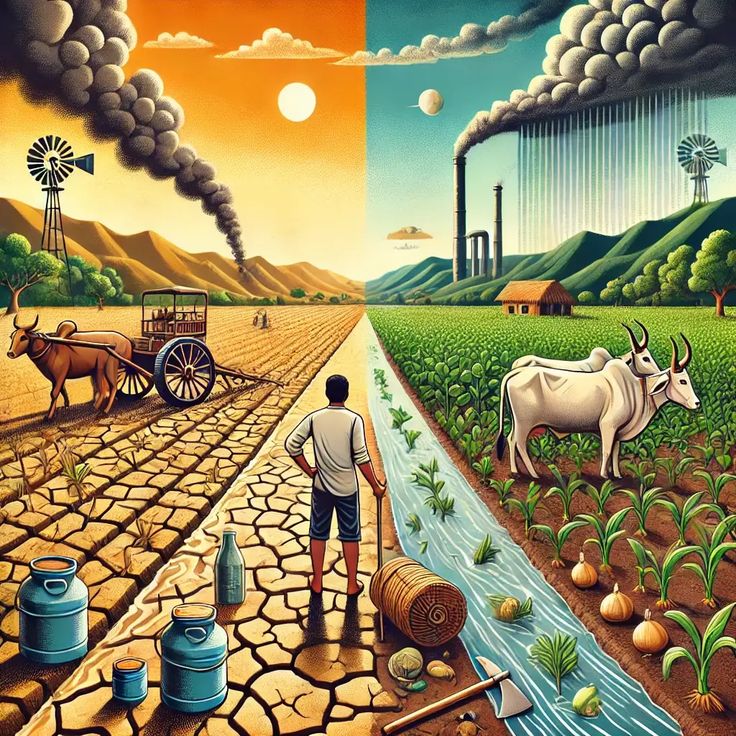
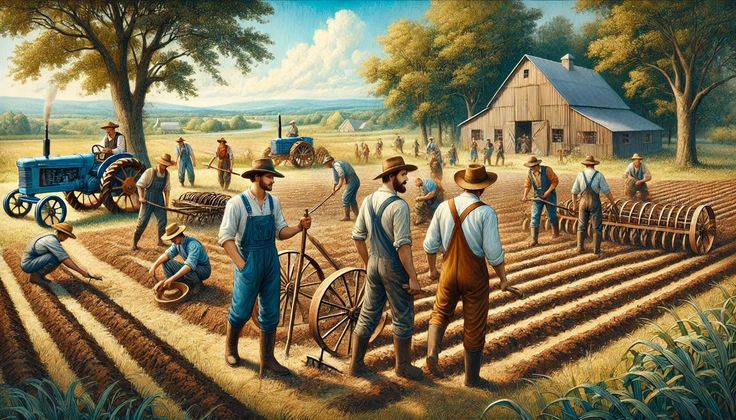
The history of agricultural robotics evolved from the early mechanization of the Agricultural Revolution, exemplified by machines like the cotton gin in the late 18th century, to the modern, automated systems of today. Key drivers for the development of these systems include addressing labor shortages and increasing efficiency. Early efforts focused on automation through machines, while recent history has seen the rise of more sophisticated robots for tasks like precision planting, targeted weeding, and harvesting, using AI, sensors, and GPS.
What is a AI Robot Technology?